Key Takeaways
- Cosmetic dentistry: Improves the appearance of your smile through treatments such as whitening, veneers, bonding, and gum contouring.
- Restorative dentistry: Repairs damaged teeth or replaces missing teeth using crowns, bridges, implants, and full-mouth reconstruction.
- Combined treatment: Cosmetic and restorative procedures often work together to improve both appearance and chewing function.
- Budapest clinics: The article highlights Kreativ Dental, Helvetic Clinics, VitalEurope, and Evergreen Dental for aesthetic and restorative care.
- Digital planning: Featured technologies include digital smile design, CBCT scans, CAD/CAM systems, and guided implant placement.
- Potential savings: The article estimates treatment prices 50–70% below comparable UK and Irish fees. Travel, accommodation, and additional procedures affect overall savings.
- Indicative prices: Listed Budapest estimates include £900–£1,200 for an implant with a crown, £350–£450 for a zirconia crown, and £400–£500 for a porcelain veneer.
- International support: Some clinics offer English-speaking coordinators, pre-travel consultations, accommodation assistance, and airport transfers.
- Before booking: Confirm your individual treatment plan, total costs, number of visits, healing periods, aftercare arrangements, and written warranty conditions.
Cosmetic vs Restorative Dentistry: Why Budapest Leads for UK and Irish Patients
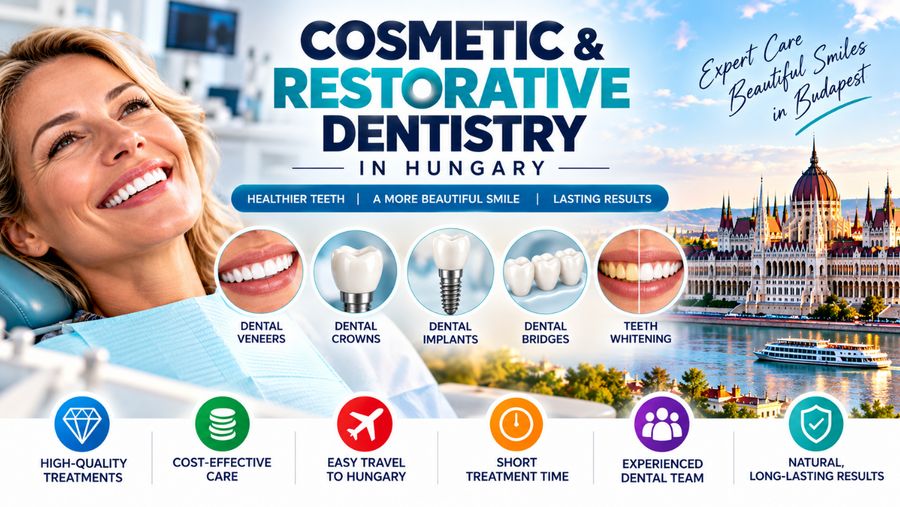
Budapest, Hungary has become Europe’s undisputed capital for dental tourism. Each year, thousands of UK and Irish patients travel there to restore or enhance their smiles with world-class dentistry at a fraction of home prices. But when patients explore treatment options, two specialties often overlap — cosmetic dentistry and restorative dentistry.
While both aim to improve oral health and appearance, they serve distinct yet complementary purposes. Understanding these differences helps patients choose the right treatments — and explains why Hungarian dentistry, especially in Budapest, consistently ranks among Europe’s best for both.
Understanding Cosmetic Dentistry
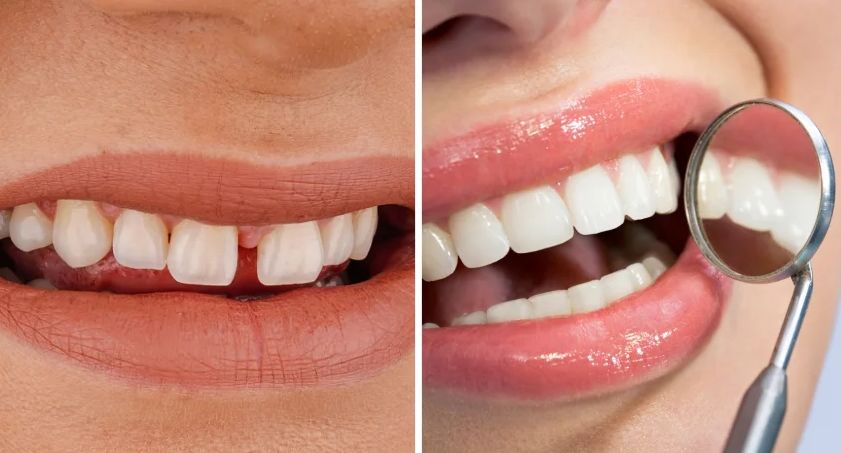
Cosmetic dentistry focuses on improving the visual aspects of your smile — tooth color, alignment, and shape — while maintaining healthy function. Its goal is aesthetic transformation, ensuring the teeth, gums, and bite look naturally beautiful.
Common cosmetic procedures include:
-
Porcelain veneers
-
Teeth whitening
-
Composite bonding
-
Gum contouring
-
Smile makeovers
-
Invisible aligners
In leading Budapest clinics like Kreativ Dental and Helvetic Clinics, cosmetic treatments are customized to suit each patient’s personality, age, and facial harmony. Digital smile design technologies allow patients from the UK and Ireland to preview their new smile before treatment even begins.
The emphasis is on visual perfection and confidence restoration — subtle corrections that create symmetry, brightness, and proportion.
Understanding Restorative Dentistry
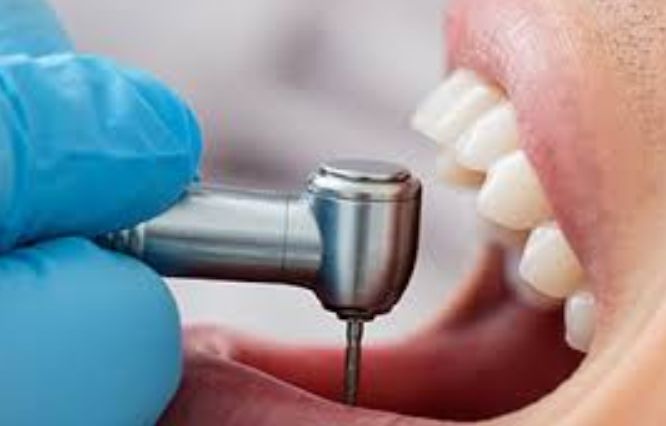
Restorative dentistry, meanwhile, rebuilds teeth or oral structures that have been damaged, decayed, or lost. The core focus is function — restoring the ability to chew, speak, and maintain jaw balance — often employing complex rehabilitative and prosthetic techniques.
Key restorative treatments include:
-
Dental implants
-
Crowns and bridges
-
Inlays, onlays, and veneers
-
Bone grafting and sinus lifting
-
Full-mouth reconstruction
Restorative procedures often overlap with cosmetic dentistry outcomes. For example, zirconia crowns or implant-supported bridges not only restore chewing ability but also deliver a perfect aesthetic finish.
Budapest clinics such as VitalEurope and Evergreen Dental integrate restorative and cosmetic techniques under one roof, offering complete smile regeneration — both structurally and visually.
Cosmetic vs Restorative: Key Differences
| Aspect | Cosmetic Dentistry | Restorative Dentistry |
|---|---|---|
| Primary Focus | Visual enhancement and aesthetics | Function, structure, and durability |
| Goal | To beautify the smile | To restore oral health and function |
| Procedures | Veneers, whitening, gum lifts | Implants, crowns, bridges, inlays |
| Technology Used | Digital smile design, laser dentistry | CBCT scans, guided implant surgery |
| Patient Type | Those seeking aesthetic improvement | Those with damaged or missing teeth |
| End Result | Enhanced smile harmony | Reconstructed bite and lasting stability |
In Hungary, these two branches of dentistry frequently merge — cosmetic artistry built upon a restorative foundation. That’s why many leading Budapest clinics offer “aesthetic restorative dentistry” — the best of both worlds for international patients.
Why Budapest Excels in Both Fields
Hungary’s leadership in dentistry stems from decades of specialization, education, and innovation. The country’s dentists receive highly standardized training under EU regulations, with Semmelweis University in Budapest ranking among Europe’s top dental schools.
1. Advanced Training and Regulation
-
Hungarian dentists complete rigorous post-graduate training in oral surgery, implantology, and aesthetic restoration.
-
EU healthcare directives require full compliance with sterilization, patient safety, and treatment documentation.
-
Clinics are regularly audited by Hungarian and EU authorities for transparency and hygiene.
This professionalism ensures UK and Irish patients receive standards equal to, or in many cases above, what they would find at home.
2. Technology and Digital Dentistry
Budapest clinics use cutting-edge digital systems including CAD/CAM, CBCT 3D scanning, and computer-guided implant placement. These technologies guarantee precision, while in-house laboratories enable same-day veneers, bridges, and crowns — a service rarely available in Britain’s traditional dental system.
3. Multilingual, Patient-Centric Service
Hungarian dentists are experienced in working with English-speaking patients. Clinics provide coordinated care — from UK-based consultations to free airport transfers and hotel bookings. Every treatment plan includes English-language medical reports and aftercare documentation for seamless continuity.
4. Cost Efficiency Without Compromise
Budapest offers cost savings of 50–70% compared to London or Dublin. For example:
| Procedure | UK/Ireland Price | Budapest Price |
|---|---|---|
| Single Implant + Crown | £2,000–£2,800 | £900–£1,200 |
| Zirconia Crown | £750–£1,000 | £350–£450 |
| Porcelain Veneer | £800–£1,200 | £400–£500 |
| Smile Makeover | £6,000–£9,000 | £2,500–£3,800 |
Patients can save thousands while enjoying European comfort, luxury-level facilities, and five-star service.
How Cosmetic and Restorative Dentistry Overlap
Modern Hungarian dentistry thrives on integration — combining engineering precision with artistic design.
Example 1 – Full Smile Rehabilitation:
A patient from Belfast missing several teeth may undergo implant placement (restorative), then receive zirconia or porcelain veneers for the remaining front teeth (cosmetic).
Example 2 – All-on-4 Implants with Esthetic Focus:
Clinics like Helvetic and Kreativ Dental design entire upper or lower arches using implants that mimic natural gumlines and facial proportions.
Example 3 – Digital Smile Design (DSD):
Digital smile previews allow both cosmetic and restorative teams to collaborate using 3D imaging to ensure harmony between function and appearance.
Such holistic planning results in lasting stability, comfort, and beauty.
Leading Budapest Clinics excelling in Aesthetic and Restorative Dentistry
Kreativ Dental Clinic: Often regarded as the pioneer of Hungarian dental tourism, its in-house lab and team of specialists create perfectly balanced aesthetic restorations using premium materials.
Helvetic Clinics: Combines Swiss precision with Hungarian craftsmanship, known for Smile Design programs that blend implantology and high-end cosmetic artistry.
VitalEurope: Offers hybrid care, allowing UK consultations before Budapest treatment — especially valued by nervous or first-time medical travelers.
Evergreen Dental: Focuses on minimally invasive and environmentally conscious processes, ideal for patients seeking sustainability and precision.
La Porta Dental Budapest: Offers dental implants, crowns, and full-mouth rehabilitation with English-speaking patient support, making it an option for Icelandic, UK and Irish visitors seeking aesthetic and restorative treatment in Budapest.
Each of these clinics operates under EU health regulations, ISO certifications, and multilingual support centers.
Why UK and Irish Patients Prefer Budapest Over Turkey
The rapid boom in Turkish dental tourism has raised questions about long-term quality. According to expert reports, Budapest offers a safer and more regulated environment for complex dental work.
Key advantages Hungary holds over Turkey:
-
EU-regulated healthcare with mandatory quality audits
-
Guaranteed access to licensed specialists
-
Secure warranties recognized across Europe
-
English-speaking aftercare
-
Transparent contracts — no “holiday package” tactics
For patients seeking not only affordability but also peace of mind, Budapest stands as Europe’s most reliable dental destination.
The Patient Journey from the UK and Ireland
Budapest dental clinics offer seamless travel solutions:
-
Free Online Consultation: Detailed digital diagnosis and quote before booking.
-
Airport Transfers & Accommodation: Dedicated team handling travel logistics.
-
Fast Turnaround: Complete treatments (implants, veneers, crowns) within 5–10 days.
-
Aftercare Commitment: Follow-up in-person or remotely, with warranties honored.
Flights from London, Manchester, Dublin, Cork, and Belfast operate frequently, making short trips for dental care convenient and cost-effective.
The Economic and Emotional Value of Hungarian Dentistry
The benefits extend beyond savings. For many UK and Irish patients, traveling to Budapest is a life-enhancing decision. Restoring their bite, smile, and confidence impacts speech, nutrition, and self-esteem. Hungary’s combination of technical excellence and empathic care culture ensures patients not only regain their smiles but also trust in the dental experience itself.
Medical tourism statistics show Hungary ranks as Europe’s No.1 destination for dental treatments based on affordability, safety, and repeat visits. Clinics operate as boutique centers of precision — more intimate and patient-centered than institutional setups typical of the UK market.
Summary: The Perfect Balance of Art and Engineering
Cosmetic dentistry refines beauty.
Restorative dentistry rebuilds strength.
In Budapest, these two worlds unite seamlessly.
The city’s top clinics use advanced imaging, laboratory precision, and aesthetic artistry to create results that are biomechanically perfect and visually flawless — all while remaining accessible for international patients. For those in the UK or Ireland, where dental costs are steep and waiting lists long, Budapest remains the smart choice for every phase of dental renewal.
Hungary’s dentistry exemplifies what happens when technical mastery meets artistic vision: smiles that look natural, function perfectly, and stand the test of time.
Frequently Asked Questions
What is the difference between cosmetic and restorative dentistry?
Cosmetic dentistry primarily improves the appearance of your teeth and smile. Restorative dentistry repairs damaged teeth or replaces missing teeth to restore structure and function. Treatments can overlap: a crown, for example, can strengthen a damaged tooth while improving its appearance.
Which treatments are considered cosmetic dentistry?
Common cosmetic treatments include teeth whitening, porcelain veneers, composite bonding, and gum contouring. A smile makeover may combine several procedures to address tooth colour, shape, spacing, and overall smile appearance. The right combination depends on your dental condition and goals.
Which treatments are considered restorative dentistry?
Restorative treatments include crowns, bridges, inlays, onlays, dental implants, and full-mouth reconstruction. These procedures repair or replace teeth to improve chewing, comfort, and dental stability. Bone grafting and sinus lifts may form part of an implant treatment plan when necessary.
Can cosmetic and restorative treatments be combined?
Yes. A treatment plan can address both function and appearance. For example, implants may replace missing teeth while crowns or veneers improve the appearance of other teeth. The article describes this integrated approach as aesthetic restorative dentistry.
Why do UK and Irish patients consider dental treatment in Budapest?
The article highlights lower treatment fees, English-speaking patient support, digital treatment planning, and clinics experienced in treating international visitors. Some providers also offer travel assistance or UK consultations. Compare individual clinics and treatment plans rather than assuming every provider offers the same services.
How much does cosmetic and restorative dentistry cost in Budapest?
The article lists indicative prices of £900–£1,200 for an implant with a crown, £350–£450 for a zirconia crown, and £400–£500 for a porcelain veneer. These figures are estimates, not personal quotations. Ask whether examinations, scans, temporary restorations, additional procedures, and follow-up appointments are included.
What is digital smile design?
Digital smile design uses photographs, scans, and planning software to illustrate proposed changes to your smile. It helps patients discuss tooth shape, proportions, and appearance with the dental team before treatment. A digital preview supports planning but should not be treated as a guarantee of the final result.
Which Budapest clinics are featured in the article?
The article features Kreativ Dental Clinic, Helvetic Clinics, VitalEurope, and Evergreen Dental. It describes services including in-house laboratory work, smile-design planning, restorative treatment, and international patient coordination. VitalEurope is highlighted for offering UK consultations before treatment in Budapest.
Can I get a treatment estimate before travelling to Hungary?
The article describes online consultations and preliminary quotations before travel. Contact your chosen clinic to ask which photographs, X-rays, or dental records it needs. Confirm whether the estimate is provisional and what could change following an in-person examination.
What should I check before booking dental treatment in Budapest?
Request a written treatment plan and itemized quotation. Confirm the expected number of visits, treatment stages, accommodation needs, aftercare arrangements, and warranty conditions. Ask where follow-up care will take place and which travel or corrective-treatment costs you would be responsible for if a problem occurs.
Sources
- Kreativ Dental Clinic — Official Clinic Website
- Helvetic Clinics Budapest — Dental Treatments and Patient Information
- VitalEurope — Published Treatment Prices
- Evergreen Dental Budapest — Restorative and Aesthetic Dentistry
- La Porta Dental Budapest — Clinic and International Patient Information
Clinic websites describe their own services and do not constitute independent assessments of treatment quality. Prices, treatment options, travel assistance, and warranty conditions may change. Confirm all details directly with your chosen clinic and request an individual treatment plan and written quotation before booking.