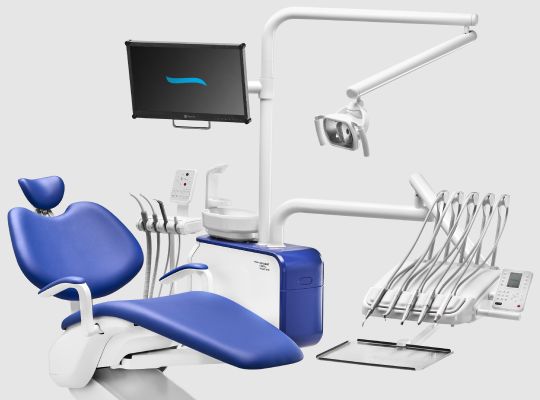
From a single missing tooth to full arch rehabilitation, a Budapest clinic treating UK and Irish patients today can offer a complete, staged pathway that combines modern implantology, prosthetics, and digital planning into one coherent treatment journey. This kind of clinic typically focuses on long‑term stability, natural aesthetics, and predictable results, while still delivering cost savings of around 50–70% compared with private treatment at home.
Replacing a Single Missing Tooth: Conservative, Long‑Term Options
For many UK and Irish patients, the journey starts with just one missing tooth. Instead of leaving a gap (which leads to bone loss and drifting teeth), modern Budapest clinics usually offer:
-
Single dental implant with crown
A titanium or titanium‑alloy implant replaces the root, topped by a custom crown matched to neighbouring teeth. No need to grind down healthy adjacent teeth, as with a traditional bridge. -
Adhesive or traditional bridge
Used when an implant isn’t possible due to medical, anatomical, or financial reasons. A bonded bridge (Maryland‑type) is sometimes chosen for front teeth, while traditional bridges remain common where neighbouring teeth already need crowns.
A patient‑centred clinic will normally prioritise the implant‑crown solution for long‑term bone preservation and bite stability, and reserve bridges as a second‑line or transitional option.
Several Missing Teeth: Implant Bridges and Partial Solutions
When more than one tooth is missing in a row, clinicians in Budapest increasingly favour implant‑supported solutions:
-
2–3 implants supporting a multi‑unit bridge
Instead of placing an implant for every tooth, strategically positioned implants can carry three or more joined crowns. This offers:-
Fewer implants overall
-
A solid, fixed solution
-
Easier cleaning than a large conventional bridge over compromised teeth
-
-
Removable partial dentures as an interim step
Used as temporary replacements during healing or when budget requires a phased plan. The longer‑term aim is normally fixed implant restoration wherever bone and health allow.
For UK and Irish patients, this “bridge on implants” approach often provides an ideal compromise: fewer surgical sites than full‑arch frameworks, but still a fixed, natural‑feeling bite.
Failing Dentition and Full Arch Rehabilitation
The most dramatic transformations happen when a whole jaw, or both jaws, need rebuilding due to:
-
Advanced gum disease
-
Failing old crowns and bridges
-
Worn, broken, or heavily filled teeth
-
Multiple extractions over the years
Budapest clinics familiar with international patients typically structure full‑arch work in stages:
1. Diagnosis and Digital Planning
-
Panoramic X‑rays and 3D CBCT scans
-
Digital impressions and photos
-
Bite analysis and facial aesthetics assessment
This data is used to create a digital blueprint for the final smile: tooth length, shape, midline, and bite are planned before any drastic treatment is started.
2. Extraction and Immediate Stabilisation
If teeth are hopeless, they may be removed in one or two sessions. Options include:
-
Immediate implants with fixed temporary bridge (when bone quality and quantity allow)
-
Transitional dentures worn during healing when immediate load is not advisable
The goal is never to leave the patient “without teeth”; temporary, aesthetic solutions are almost always incorporated into the plan.
3. All‑on‑4 / All‑on‑6 and Full‑Arch Bridges
For complete rehabilitation, the standard of care in many Budapest centres is an implant‑supported full arch:
-
All‑on‑4: four implants anchoring a full arch bridge
-
All‑on‑6: six implants for increased support and load distribution
Benefits include:
-
Fixed teeth that do not move or click like dentures
-
Strong biting capacity; the ability to enjoy a broad diet once healed
-
Significant bone preservation compared with conventional plates
Definitive prosthetics are often high‑strength zirconia or premium metal‑ceramic, designed to balance strength, aesthetics, and hygiene access.
Why UK and Irish Patients Choose a Budapest Clinic for This Range of Treatments
A Budapest clinic that truly specialises in UK and Irish patients offers a combination that is still difficult to match at home:
-
Cost–benefit ratio
The more complex the case, the more significant the savings on implants, full arches, and extensive crown work—often 50–70% less than UK/Irish private fees once everything is added up. -
Integrated, multi‑disciplinary care
Implantologist, prosthodontist, endodontist, and hygienist working in one team, so that single‑tooth cases and full‑arch rehabilitations follow the same integrated philosophy. -
Rapid access
Appointments are offered within days or weeks, not months, which matters for both pain control and treatment motivation. -
English‑speaking coordination
UK and Irish liaison staff, or at least fluent English speakers, handle treatment explanations, estimates, aftercare, and practical travel questions. -
Experience with cross‑border cases
Treatment plans are designed around travel windows, so that each visit delivers a clear, logical phase: diagnostics, surgery, prosthetics or follow‑up, rather than fragmented appointments.
Treatment Journey: From Single Tooth to Full Arch in Practice
A well‑run Budapest clinic will adapt planning to the severity of the case, but some general patterns apply.
Single or Few Teeth Missing
-
Visit 1 (2–4 days)
-
Consultation, scans, and diagnosis
-
Implant placement and temporary restoration, or preparation for bridge
-
-
Healing phase at home
-
Osseointegration (typically 3–6 months)
-
-
Visit 2 (3–5 days)
-
Final impressions, bite records, and crown or bridge fitting
-
In many simpler cases, patients describe the process as “two short holidays with a lot of dental work neatly packed in”.
Partial Restorations and Segmental Bridges
-
May require similar phasing, but with more implants and a slightly longer stay for extractions or bone grafting
-
Temporary solutions are planned so that appearance and function remain acceptable between visits
Full Arch Rehabilitation
-
First visit (5–10 days)
-
Full diagnostics, extractions where needed
-
Placement of 4–6 implants per jaw
-
Fixed or removable temporary teeth supplied
-
-
Healing period back in the UK or Ireland
-
Second visit (5–8 days)
-
Final impressions
-
Try‑in of framework or prototype
-
Fitting and fine‑tuning of definitive full‑arch bridge(s)
-
The clinic’s role is to ensure that this sequence is clearly explained from day one, including time in the chair, likely swelling, food recommendations, and lifestyle restrictions between phases.
Clinical Philosophy: Preserve, Then Rebuild
A quality‑driven Budapest clinic doesn’t jump to extraction and implants at the first opportunity. Typical clinical priorities are:
-
Preserve strategic teeth where possible
-
Root canal treatment (often with microscopes)
-
Periodontal therapy and splinting if necessary
-
-
Use implants strategically
-
Not “one implant per tooth” when fewer well‑placed fixtures can support a stable bridge
-
Bone‑sparing techniques and guided surgery where indicated
-
-
Design prosthetics for easy hygiene
-
Full arches and bridges shaped with access for floss, brushes, and irrigators
-
Edges smoothed and polished to minimise plaque retention
-
This approach benefits both the single‑tooth patient who wants to avoid unnecessary drilling and the full‑arch patient who wants predictable function and minimal maintenance problems.
Patient Comfort and Anxiety Management
From a review standpoint, UK and Irish patients often comment not only on clinical outcomes, but also on how they were treated as individuals. Clinics that excel in dental tourism usually invest in:
-
Modern anaesthesia and, where needed, sedation for longer implant sessions
-
Gentle communication, explaining each step in clear English and avoiding technical jargon
-
Even scheduling, avoiding overloading a single day with too many lengthy procedures
-
Post‑operative follow‑up, with WhatsApp or email check‑ins once patients are back home
This matters just as much for someone having one implant as for someone undergoing full‑arch rehabilitation—any level of treatment abroad requires strong trust in the clinic’s support.
Financial Transparency and Value for Money
For your WordPress readers, an honest review should highlight that Budapest is not about “cheap dentistry” but about value‑optimised dentistry:
-
Written estimates that differentiate between essential work and “nice‑to‑have” aesthetics
-
Clear explanation of material choices (e.g., standard vs premium implant brands, metal‑ceramic vs full zirconia)
-
Realistic discussion of what’s included: scans, temporaries, follow‑up visits, and any additional lab work
The clinic should also guide Irish patients on using EU treatments for potential tax relief (where applicable) and help UK patients understand how their new implants or crowns can be supported by local dentists once they are back home.
When a Budapest Clinic Is the Right Choice
Summarising the review, a Budapest clinic focused on UK and Irish patients is particularly suitable when:
-
There is one or more missing teeth and the patient wants a long‑term, implant‑based solution
-
Several adjacent teeth are missing and a fixed bridge on implants is preferred over removable options
-
The entire upper or lower arch (or both) needs a complete cosmetic and functional overhaul
-
Quotes at home for implant work or full‑mouth rehabilitation are unaffordable or come with long waiting lists
-
The patient is comfortable travelling for healthcare and appreciates combining treatment with a city‑break
For small, simple fillings or single low‑cost procedures, staying local may be more convenient. But from the first missing tooth needing an implant to a full‑arch transformation, a dedicated Budapest clinic offers a structured, cost‑effective, and experience‑tested pathway that has already convinced thousands of UK and Irish patients to step on a plane for their new smile.