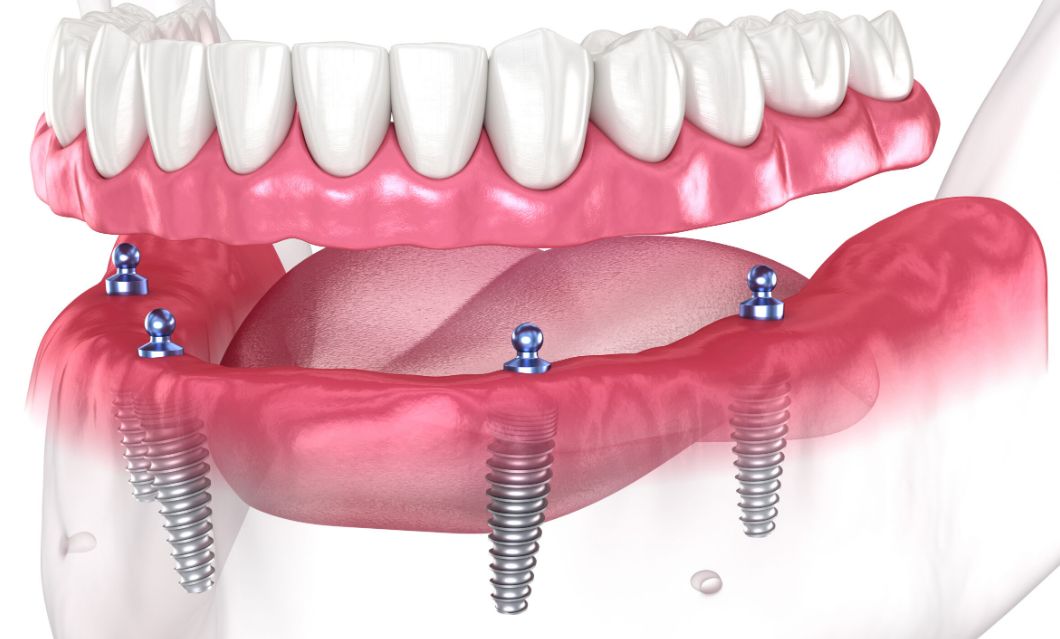
Full-arch rehabilitation is one of the most transformative treatments in modern dentistry. Whether performed using dental implants, fixed bridges, or advanced prosthetic concepts, it restores not only teeth but also function, facial harmony, speech, and confidence. For patients who have lived with missing, damaged, or failing teeth, full-arch rehabilitation can feel like a fresh start.
However, there is a crucial phase of this treatment that is often misunderstood or underestimated by patients: the temporary prosthesis.
As a dental tourism expert working with patients from around the world, I have seen firsthand how the quality and design of a temporary prosthesis can determine the long-term success—or failure—of a full-arch rehabilitation. This stage is far more than a placeholder. It is a functional, diagnostic, biological, and psychological bridge between surgery and the final prosthetic solution.
This review explains why temporary prostheses are essential, how they influence final outcomes, and why patients—especially those traveling abroad for treatment—should never compromise on this step.
Understanding Full-Arch Rehabilitation
Full-arch rehabilitation refers to the complete restoration of all teeth in one or both arches. It is commonly indicated for patients with:
-
Advanced tooth loss
-
Severe periodontal disease
-
Extensive decay or failed dental work
-
Bite collapse or functional impairment
Modern full-arch solutions may involve implant-supported fixed prostheses, hybrid bridges, or advanced removable systems. These treatments are complex, requiring surgical precision, prosthetic planning, and careful adaptation of the patient’s oral system.
Between the surgical phase and the delivery of the final prosthesis lies a critical transitional stage: the temporary prosthesis phase.
What Is a Temporary Prosthesis in Full-Arch Treatment?
A temporary prosthesis is a custom-made dental restoration placed immediately after surgery or shortly thereafter. It replaces missing teeth while the underlying structures—bone, soft tissue, and implants—heal and adapt.
Unlike conventional temporary crowns used in single-tooth cases, full-arch temporary prostheses are highly sophisticated devices designed to function for several months. They allow patients to eat, speak, smile, and live normally while the treatment progresses.
More importantly, they serve as a test version of the final prosthesis.
Temporary Prosthesis: Not Just a Placeholder
One of the most common misconceptions among patients is that temporary teeth are purely cosmetic or disposable. In reality, the temporary prosthesis plays several critical roles that directly affect the success of the final restoration.
1. Functional Testing
The temporary prosthesis allows dentists to evaluate:
-
Bite alignment
-
Chewing efficiency
-
Jaw movements
-
Muscle balance
-
Speech patterns
Any issues detected during this phase can be corrected before the final prosthesis is fabricated. Without this testing phase, errors may only become apparent after the final restoration is delivered—when corrections are far more difficult and costly.
2. Biological Protection and Healing Support
After implant placement or extractions, the oral environment undergoes significant biological changes. A well-designed temporary prosthesis:
-
Protects healing tissues
-
Maintains proper pressure distribution
-
Prevents trauma to surgical sites
-
Supports healthy soft tissue shaping
Poorly designed temporaries can overload implants, irritate tissues, and compromise healing, increasing the risk of complications.
3. Aesthetic Calibration
Aesthetics in full-arch rehabilitation go far beyond tooth color. The temporary prosthesis helps fine-tune:
-
Tooth shape and length
-
Smile line
-
Lip support
-
Facial proportions
-
Midline and symmetry
Patients see themselves with their new smile for the first time during this phase. Feedback from the patient is invaluable, allowing adjustments that ensure the final prosthesis feels natural and harmonious.
The Psychological Importance of Temporary Teeth
Full-arch rehabilitation is not only a physical transformation but also an emotional journey.
Many patients arrive at treatment after years of embarrassment, discomfort, or social withdrawal due to dental problems. The immediate placement of a temporary prosthesis provides:
-
Instant restoration of dignity
-
Emotional reassurance
-
Confidence during the healing period
From a dental tourism perspective, this is especially important for patients traveling abroad. Temporary teeth allow them to return home with a functional, aesthetic smile while treatment continues.
Temporary Prosthesis and Speech Adaptation
Speech is often overlooked in dental planning, yet it plays a major role in patient satisfaction.
Temporary prostheses allow patients to adapt gradually to:
-
New tooth positions
-
Changes in tongue space
-
Modified bite height
Dentists can make phonetic adjustments during the temporary phase, ensuring that the final prosthesis supports clear and natural speech.
Temporary Prosthesis as a Diagnostic Tool
One of the most important roles of a temporary prosthesis is diagnostics.
During this phase, dentists observe how the patient’s oral system responds to the new restoration. This includes:
-
Muscle comfort
-
Joint stability
-
Bite forces
-
Wear patterns
The temporary prosthesis acts as a real-world prototype, revealing issues that may not be evident in digital planning alone.
Why Temporary Prostheses Are Especially Important in Dental Tourism
Dental tourism adds an extra layer of complexity to full-arch rehabilitation.
Patients traveling for treatment often have limited time at the clinic and may return home while healing occurs. In this context, a high-quality temporary prosthesis becomes even more critical.
Key advantages for international patients:
-
Allows safe travel during healing
-
Provides function and aesthetics between visits
-
Reduces urgency for immediate finalization
-
Enables remote follow-up and feedback
Clinics specializing in dental tourism often design temporaries to last several months, ensuring durability and comfort across borders.
Temporary vs Immediate Final Prosthesis: Why Rushing Is Risky
Some clinics promote immediate final prostheses as a way to shorten treatment timelines. While appealing, this approach carries risks.
Without a temporary phase, clinicians lose the opportunity to:
-
Test occlusion under real conditions
-
Observe tissue healing
-
Adjust aesthetics based on patient feedback
From an expert perspective, skipping or minimizing the temporary phase often leads to compromises in long-term comfort and prosthetic longevity.
Materials Used in Temporary Full-Arch Prostheses
Temporary prostheses are typically fabricated from high-strength acrylics or composite materials. These materials are chosen for:
-
Durability
-
Repairability
-
Adjustability
While not intended as permanent solutions, high-quality temporaries are engineered to withstand daily function and allow precise modifications.
The ability to adjust the prosthesis during healing is one of its greatest strengths.
The Transition From Temporary to Final Prosthesis
The transition phase is where the value of a well-executed temporary becomes evident.
Using data gathered from the temporary phase, the dental team refines:
-
Final bite design
-
Prosthetic contours
-
Aesthetic details
-
Material selection
The final prosthesis is not guessed—it is informed by lived experience.
Patients who have worn their temporary prosthesis for several months often report smoother adaptation and higher satisfaction with the final result.
Common Problems When Temporaries Are Poorly Designed
When temporary prostheses are rushed or poorly executed, patients may experience:
-
Implant overload
-
Chronic soreness
-
Speech difficulties
-
Aesthetic dissatisfaction
-
Bite instability
These issues can delay treatment, increase costs, and compromise outcomes. In severe cases, implant failure may occur.
Cost Considerations and Long-Term Value
High-quality temporary prostheses require time, expertise, and materials. While they add to the overall cost of treatment, they often reduce long-term expenses by preventing complications and minimizing revisions.
From a value perspective, investing in a proper temporary phase often results in:
-
Fewer adjustments to the final prosthesis
-
Greater patient satisfaction
-
Longer prosthetic lifespan
What Patients Should Ask About Temporary Prostheses
Patients considering full-arch rehabilitation—especially abroad—should ask their provider:
-
How long will the temporary prosthesis be worn?
-
Is it fixed or removable?
-
Can it be adjusted if needed?
-
What materials are used?
-
How is feedback incorporated into the final prosthesis?
Clear answers to these questions are a strong indicator of treatment quality.
The Temporary Phase as Part of Ethical Dentistry
From an ethical standpoint, temporary prostheses reflect a clinic’s commitment to patient-centered care.
Clinics that invest time in the temporary phase demonstrate respect for:
-
Biological healing
-
Functional adaptation
-
Patient experience
In contrast, minimizing or bypassing this phase often prioritizes speed over quality.
Conclusion: Temporary Prostheses Are the Foundation of Full-Arch Success
In full-arch rehabilitation, the temporary prosthesis is not an accessory—it is the foundation upon which long-term success is built.
It protects healing tissues, guides functional adaptation, refines aesthetics, supports patient confidence, and informs the final prosthetic design. For dental tourism patients, it also ensures continuity of care across borders.
Whether treatment is performed locally or internationally, patients should view the temporary prosthesis as a critical investment in comfort, safety, and long-term satisfaction.
When executed properly, the temporary phase transforms full-arch rehabilitation from a surgical procedure into a carefully guided journey toward lasting oral health and renewed quality of life.